At a glance
Dangerously high blood pressure in a patient who declined medication, returned to normal range — with medical care advised as backup.
Presentation
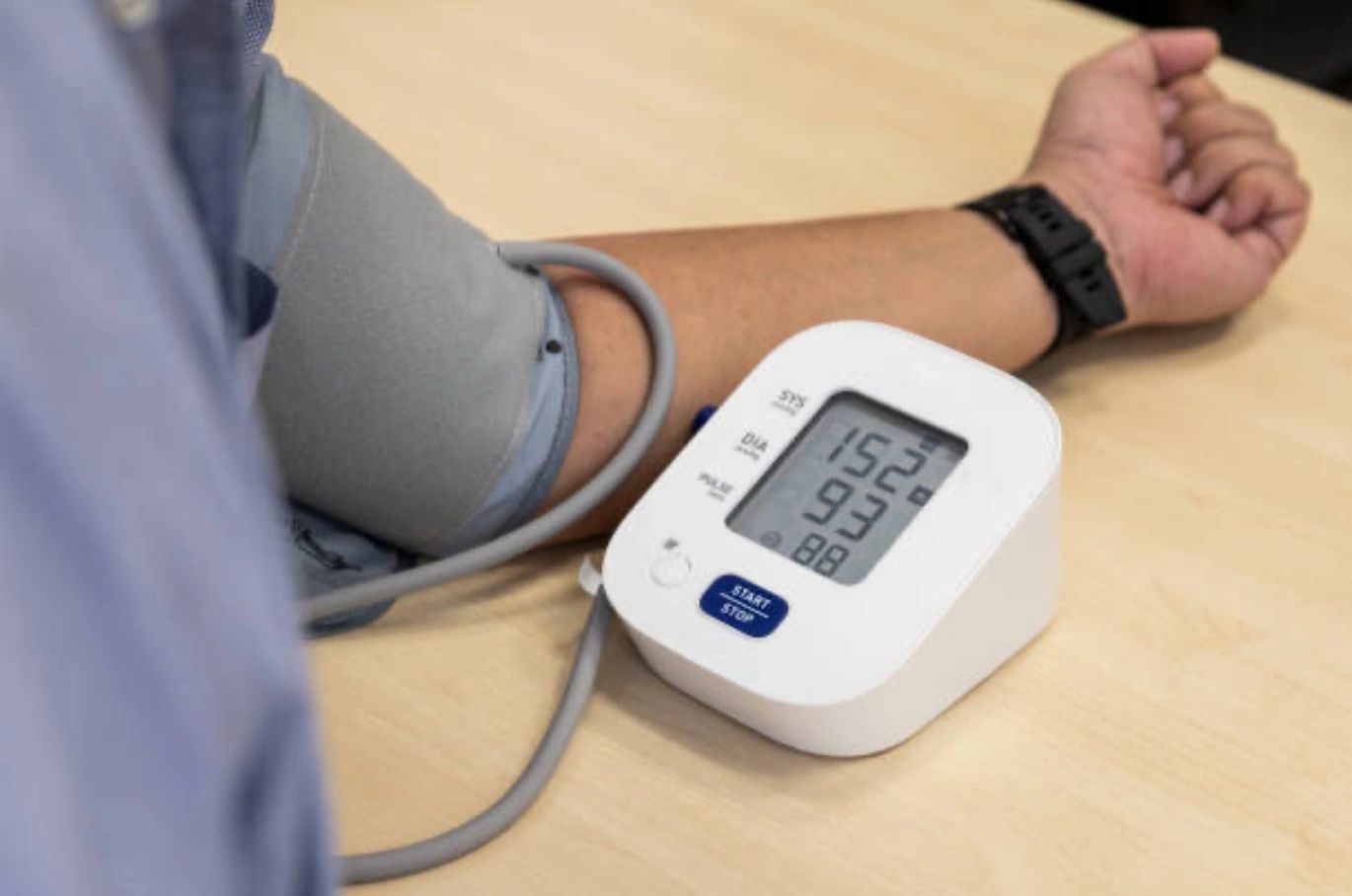
A 78-year-old patient came to the clinic with dangerously high blood pressure: a systolic reading that sat at 150–160 mmHg and sometimes spiked to 190–200 mmHg. She refused to take medication, which was a source of deep concern given the risk to her health and life. Treatment proceeded with that concern openly acknowledged and with a clear plan to involve medical care if needed.
Diagnosis
Several patterns were at work: phlegm-dampness and Qi stagnation at the pericardium (the sac around the heart), severe sleep apnea that was significantly worsening the hypertension by causing repeated drops in blood-oxygen during sleep, Liver Qi stagnation, and blood stasis. The sleep apnea connection was especially important — treating the night-time oxygen drops was part of treating the blood pressure.
Treatment
Treatment combined acupuncture, ear seeds, and herbs:
- Dr. Tan's 12-point combination together with Master Tung's San Sheng — established acupuncture combinations used to regulate blood pressure
Ear seeds followed Dr. Lichun Huang's combination for hypertension. A herbal mixture (for example, a Gui Zhi–based formula to address the problems at the pericardium) was prescribed to target the underlying patterns. For home care, she worked on changing her lifestyle and reducing stress — and was firmly advised to seek medical care immediately if the dangerous spikes returned or if the alternative treatment didn't hold.
Result
Her blood pressure gradually reduced to a normal range. The dangerous spikes settled as the underlying patterns — including the sleep apnea driving the night-time oxygen drops — were treated. Throughout, she was counselled to pursue conventional medical care without delay should the readings climb again.
This reflects an individual patient experience, not clinical trial data.
Results vary from person to person depending on the condition, its severity, and how an individual responds to treatment. TCM and acupuncture are not a substitute for care from your physician or another regulated health professional. If you’re dealing with a serious or urgent symptom, please see a doctor first.